Palatal Expanders
Creating space for a healthy, balanced smile
Sometimes growing smiles need a little extra room. A palatal expander is a specialized orthodontic appliance that gently widens the upper jaw, creating the space needed for healthy tooth development and a balanced bite. At Johnsonlink Orthodontics, we use expanders to guide jaw growth at the right time, helping improve bite alignment, create room for permanent teeth, and support healthy smile development. When recommended during childhood, expansion can often make future orthodontic treatment simpler, more predictable, and in some cases, help reduce the need for more complex treatment later.
What Is a Traditional Palatal Expander? (RPE)
A Traditional Palatal Expander, also called a Rapid Palatal Expander (RPE), is a custom-made orthodontic appliance that gradually widens the upper jaw while a child is still growing. By creating additional space in the palate, it helps permanent teeth erupt properly, improves the way the upper and lower teeth fit together, and supports healthy jaw development.
Expanders are commonly recommended when the upper jaw is too narrow, which can contribute to concerns like crowding, crossbites, or a lack of space for incoming permanent teeth. Dr. Johnson or Dr. Lingenbrink will determine whether an expander is the right treatment based on your child's growth, bite, and individual orthodontic needs.
How Does a Traditional Expander Work?
1. Your Expander Is Placed
Your custom-made expander is securely attached to your upper back teeth for a comfortable, precise fit. Before you leave your appointment, your assistant will show you exactly how to activate your expander and answer any questions you may have.
⬇️
2. Gentle Expansion Begins
Using a small activation key, the expander is adjusted according to the personalized schedule provided by Dr. Johnson or Dr. Lingenbrink. Each activation gently widens the upper jaw in small, controlled steps, creating the space needed for healthy jaw development and improved bite alignment.
⬇️
3. Your Smile Continues to Grow
As the upper jaw gradually widens, new bone naturally forms to stabilize the expansion. Even after the active expansion phase is complete, the expander typically remains in place for several months, allowing the jaw to fully strengthen before it's removed.
How often do I turn the Expander?
Dr. Johnson or Dr. Lingenbrink will give you specific instructions, but most patients will:
✔ Turn the expander once or twice each day
✔ Follow the schedule provided by your doctor
✔ Complete every turn as instructed for the best results
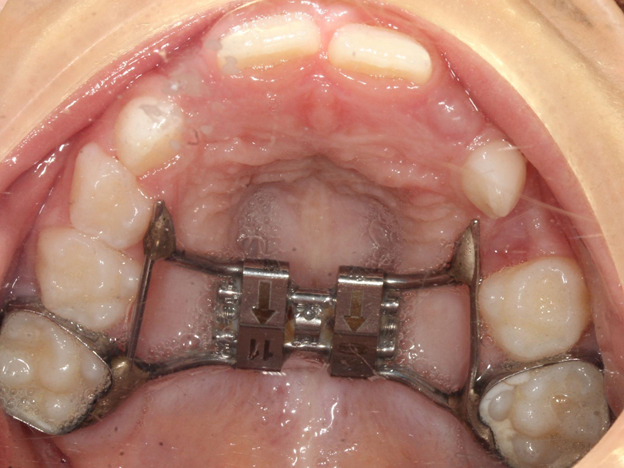
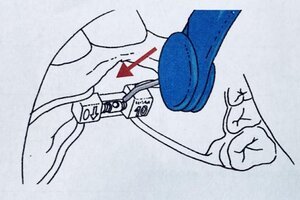
Fig 1
How to activate your Expander
Before you leave your appointment, your assistant will demonstrate exactly how to activate your expander and make sure you feel comfortable doing it at home. While every patient receives personalized instructions from Dr. Johnson or Dr. Lingenbrink, here's a general overview of the process: (See Fig 1-4 on the left for reference)
Need a little extra help? If you're ever unsure about activating your expander or accidentally miss a turn, don't worry! Give our office a call, we're always happy to walk you through the process or answer any questions.
Good to know: Seeing a small space appear between the front teeth can surprise parents, but it's a completely normal part of the expansion process. As treatment continues, this space typically closes naturally.

Fig 2
What to expect
It's completely normal to experience a short adjustment period after your expander is placed. As your mouth gets used to the appliance, you or your child may notice:
✔ A feeling of pressure on the teeth or roof of the mouth, especially after an activation
✔ A temporary lisp or slight changes in speech
✔ Mild soreness when chewing
✔ Increased saliva during the first few days
✔ Food collecting around the expander more easily
✔ A small gap developing between the front teeth as the palate expands (this is completely normal and often a sign that the expander is working)
While the first few days may feel a little different, most patients adjust quickly and are back to their normal routine within about a week.

Fig 3

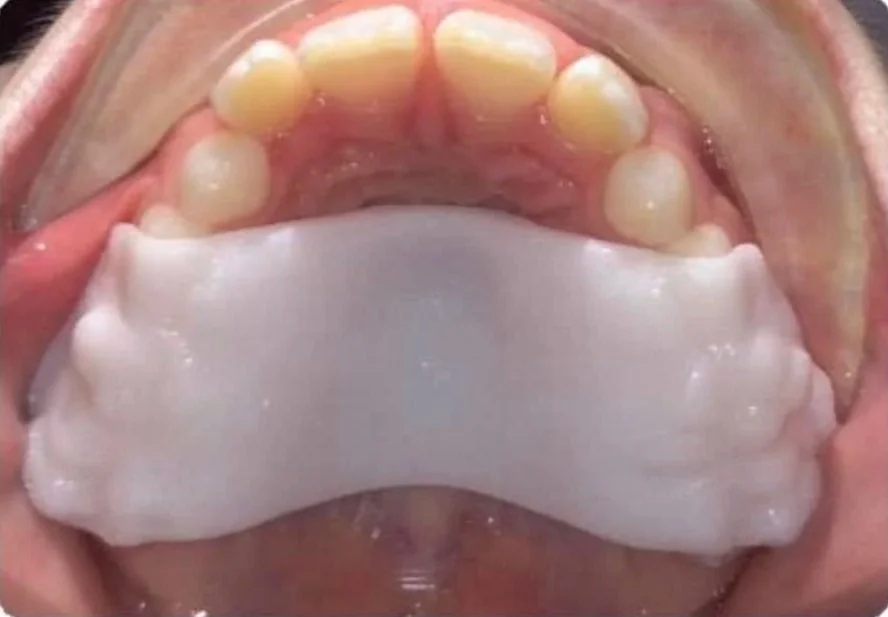
Fig 4
If you ever misplace your key, just contact our office, we’re happy to replace it!
Caring for your Expander
Keeping your expander clean and following a few simple habits will help ensure your treatment stays on track and your smile stays healthy.

DO:
Brush carefully around the expander after every meal.
Rinse thoroughly with water after eating.
Cut crunchy foods into smaller, bite-sized pieces when needed.
Keep all scheduled appointments so we can monitor your progress.
Follow your doctor's personalized instructions for care and activations.

AVOID:
Sticky candies and chewing gum.
Hard foods like ice, popcorn kernels, or hard candy.
Biting directly into hard foods that could damage your expander.
Skipping your activations or changing your schedule without checking with us first.
Using excessive force when activating your expander.
Invisalign Palatal Expander (IPE)
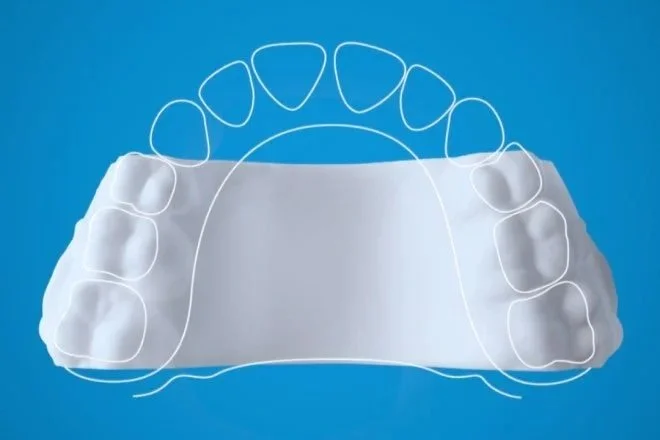
The Invisalign® Palatal Expander (IPE) offers a modern, comfortable alternative to traditional metal expanders. Instead of metal and screws, it uses a series of custom-made, 3D-printed appliances to gently guide jaw expansion over time.
Because treatment progresses through a planned series of expanders, there are no keys, no manual turning, and no daily activations. Many families find this approach more comfortable, discreet, and easier to manage at home, while still effectively creating the space needed for healthy jaw development and improved bite alignment.
Benefits of Invisalign Expanders



More discreet
More comfortable

Easier cleaning
No manual turning

Fewer adjustments
Which Expander is right for my child?
Every smile is unique.
During your consultation, Dr. Johnson or Dr. Lingenbrink will recommend the type of expander that's best for your child's age, jaw development, and orthodontic needs. Whether that's a traditional metal expander or the Invisalign Palatal Expander, our goal is always the same: creating healthy, lasting results with the treatment that's right for your child.
Frequently Asked Questions
-
Most patients feel pressure for a few minutes after each activation, but any discomfort is usually mild and temporary. As your mouth adjusts to the expander, these sensations typically become less noticeable.
-
Yes! Many children develop a temporary gap between their front teeth during expansion. This is completely normal and is often a sign that the expander is working as intended. The gap typically closes naturally during the next phase of treatment.
-
A slight lisp or temporary change in speech is common when the expander is first placed. Most children adjust within a week or two, and reading aloud or practicing conversation can help them adapt more quickly.
-
Absolutely! We recommend wearing a properly fitted mouthguard during contact sports to help protect your child's teeth and orthodontic appliance.
-
Every patient is different, but active expansion typically lasts a few weeks. After that, the expander usually remains in place for several months to allow the jaw to stabilize and new bone to fully develop before the appliance is removed.
-
No problem! Contact our office and we'll be happy to provide a replacement and answer any questions you have.
Growing healthy smiles starts here
Every growing smile is unique. Whether you have questions about expanders or want to learn if early orthodontic treatment is right for your child, we're here to help. Our team will guide you every step of the way with personalized care, expert recommendations, and a commitment to helping your child build a healthy, confident smile that lasts a lifetime.